
Table of contents
One wrong gesture, and a warm welcome can turn into frosty silence. From tourists fined for eating on the wrong step in Florence to visitors turned away from sacred sites for dress-code breaches, local traditions still have real-world consequences for travelers, and not just in far-flung places. As overtourism pressures cities, and as residents push back against disrespectful behavior, the margin for error is shrinking. The good news is that most missteps are easy to avoid, if you know what to look for before you land.
When “harmless” habits trigger real penalties
It is no longer just about looking impolite. In parts of Europe, everyday tourist habits now intersect with local rules that carry fines, and the enforcement has become visibly stricter as crowds swell and city centers strain.
Consider Italy, where several municipalities have adopted targeted measures aimed at behavior seen as degrading historic areas. Florence has repeatedly relied on ordinances that ban eating in certain central zones at specific times, and Venice has long prohibited picnicking in iconic places like St Mark’s Square, with penalties that local authorities have communicated can reach several hundred euros depending on the case. In Rome, rules around sitting on or climbing monuments are enforced with fines, and in recent summers police patrols have intensified around heavily photographed sites. These are not obscure technicalities, they are responses to years of resident complaints about congestion, litter, and what locals describe as “theme-park” conduct.
Then there is the quieter form of sabotage: being denied access. Religious sites across Europe and beyond maintain dress codes that can be applied without debate. Covering shoulders, avoiding short shorts, removing hats, and respecting photography restrictions may sound obvious, yet it continues to catch travelers off guard, especially in heatwaves when tourists dress for the weather rather than the venue. Similar problems arise with noise and alcohol. In Spanish and Portuguese cities grappling with nightlife tourism, restrictions on street drinking and late-night noise have expanded, and enforcement tends to spike in peak season when residents are least tolerant. The trap is psychological: you see thousands of visitors, you assume anything goes, and that assumption can abruptly end your day with a fine or a confrontation.
Overtourism has changed the local mood
Goodwill is not infinite. In 2024 and 2025, protests against overtourism made headlines from the Canary Islands and Barcelona to Venice and Amsterdam, and although each city has its own grievances, the underlying message has been consistent: residents want visitors, but on terms that protect housing, public space, and daily life.
The data behind the frustration is hard to ignore. International tourism has roared back since the pandemic, with the UN’s tourism agency reporting that global arrivals returned close to pre-2019 levels in 2024. That rebound concentrates sharply in a small number of “must-see” hubs, and the pressure shows up in rents, crowd density, and local services. Amsterdam has tightened rules on short-term rentals and has run campaigns explicitly discouraging disruptive visitors, while Venice has moved toward managing day-tripper flows with new controls, including a pilot day-visitor fee that city officials have framed as a tool to reduce peak congestion. In Greece, authorities have discussed and implemented measures to manage cruise and visitor volumes at sensitive sites, reflecting a wider European push to regulate rather than simply promote.
For travelers, the practical implication is simple: norms are being policed not only by officials but by fellow citizens. What once earned a forgiving smile can now prompt a sharp remark, a social-media callout, or a complaint to local authorities, especially in neighborhoods where residents feel outnumbered. Small acts carry symbolic weight. Blocking a narrow sidewalk for a photo, speaking loudly on public transport, treating a residential stairway like a picnic spot, or ignoring queuing etiquette can be read as disrespect in cities where locals already feel their home has become an attraction. The “sabotage” is rarely dramatic, it is cumulative, and it can stain the whole trip: an argument with a shopkeeper, a tense encounter on a train, or the sense that you are not welcome. Knowing the mood of a place, and traveling with a bit more humility, can make the difference between friction and genuine connection.
The etiquette traps nobody warns you about
Guidebooks will tell you what to see. Fewer will tell you how to behave when you get there, and the pitfalls are often tucked into everyday moments: greetings, tipping, public space, and what you do with your hands.
Start with greetings and personal distance. In parts of Southern Europe and Latin cultures, a friendly greeting matters, yet overfamiliarity can feel intrusive. In Northern Europe, volume and personal space tend to be more guarded, and what feels like enthusiastic friendliness to one traveler can read as pushy. Queuing is another minefield. In the UK, queue discipline is famously strict, and cutting in, even accidentally, can trigger instant social sanctions. On public transport in many cities, standing on the wrong side of an escalator, blocking doors, or failing to offer a seat can draw pointed looks. These are not written laws, but they are enforced socially, which can be just as uncomfortable, and it can escalate if someone decides to confront you.
Money etiquette varies as well. Tipping norms differ wildly: in some countries service is included and large tips can feel odd, while in others, particularly where wages are low, leaving nothing can be taken as an insult. Payment habits matter too. In some places, asking to split a bill into many parts is normal, and in others it is viewed as a nuisance at peak hours. Even photography has its own unspoken rules. Snapping pictures in markets, of street performers, or of people in religious contexts can be perceived as exploitation, especially if you do it without asking. A simple question, a small donation, or choosing not to photograph at all can prevent an ugly scene. The same goes for drones, which are increasingly regulated in cities and near landmarks, with penalties that can be severe. The trap is that technology makes it easy, and the local context makes it sensitive.
How to travel smart, not tense
Preparation is not about paranoia. It is about removing avoidable stress, so your attention stays on the trip itself, and not on apologizing for a misunderstanding you could have prevented in five minutes.
Before you go, look up three things: local rules in historic centers, etiquette in religious or ceremonial spaces, and transport norms. City websites and official tourism offices often list behavioral ordinances, and they are more up to date than social media threads. Then plan your day to reduce friction. If a city center is cracking down on street eating, schedule a proper sit-down lunch, and budget for it; it will likely be more enjoyable anyway. If certain neighborhoods are sensitive to nightlife, choose accommodation and evening plans that keep noise down, and use taxis or late transport rather than loud street walks. Keep a light layer in your bag for churches or mosques, and treat “no photo” signs as non-negotiable. These small habits cost little, and they pay back immediately in smooth access and calmer interactions.
Finally, build your itinerary around local context. If you are heading to a city with strong social codes and dense visitor traffic, it helps to use a planning resource that puts logistics and neighborhood realities front and center, rather than just listing attractions. For travelers mapping out routes, day trips, and practical do’s and don’ts, https://www.manchester-trip.com/ can be a useful starting point to structure a stay with fewer surprises. The point is not to sanitize travel into a checklist, it is to arrive with enough cultural awareness that you can relax, adapt, and enjoy the place as it is, and not as you assumed it would be.
A simple checklist before you book
Reserve key sites early, and double-check entry rules, especially dress codes and bag restrictions. Set a realistic budget for meals indoors, local transport, and potential city fees, and keep a small buffer for last-minute changes. Look for local or national discounts, and for any resident-protection measures that affect visitors, then plan accordingly.
On the same subject
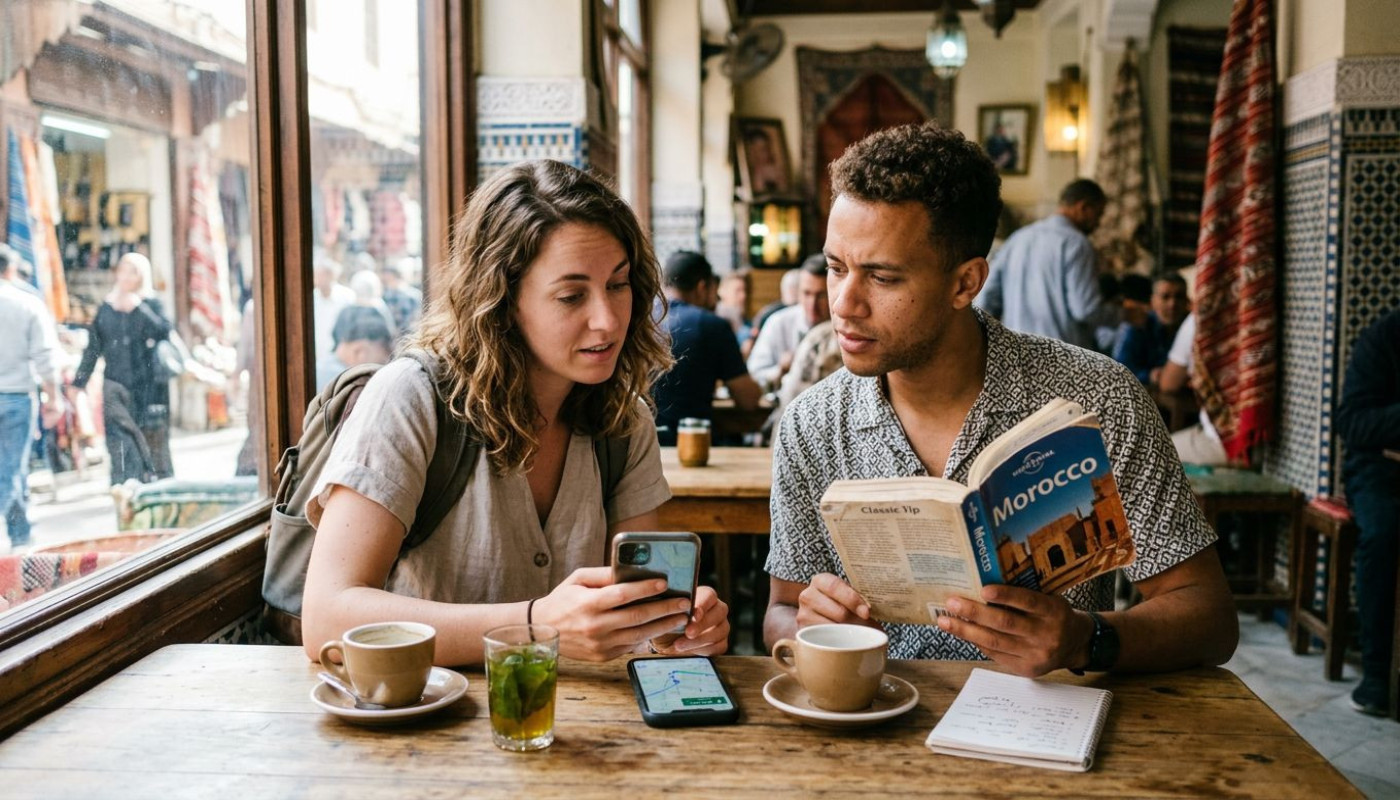
Is Travel Advice Outdated? Rethinking Classic Tips For Modern Explorers

Exploring The Ecological Impact Of Urban Water Bodies

Understanding Portuguese Social Security: A Guide To NISS For Expats

Transcending Borders: The Rise of Virtual Tours

Rediscovering Your Town: An Unexpected Adventure

Finding Magic in the Ordinary: Unusual Local Attractions

The Gastronomic Revolution of Rural Restaurants

South Africa: a good tourist destination

Why go on holiday?

Dubai: the city of a thousand tourist wonders

A tour on the trail of gastronomic tourism
